


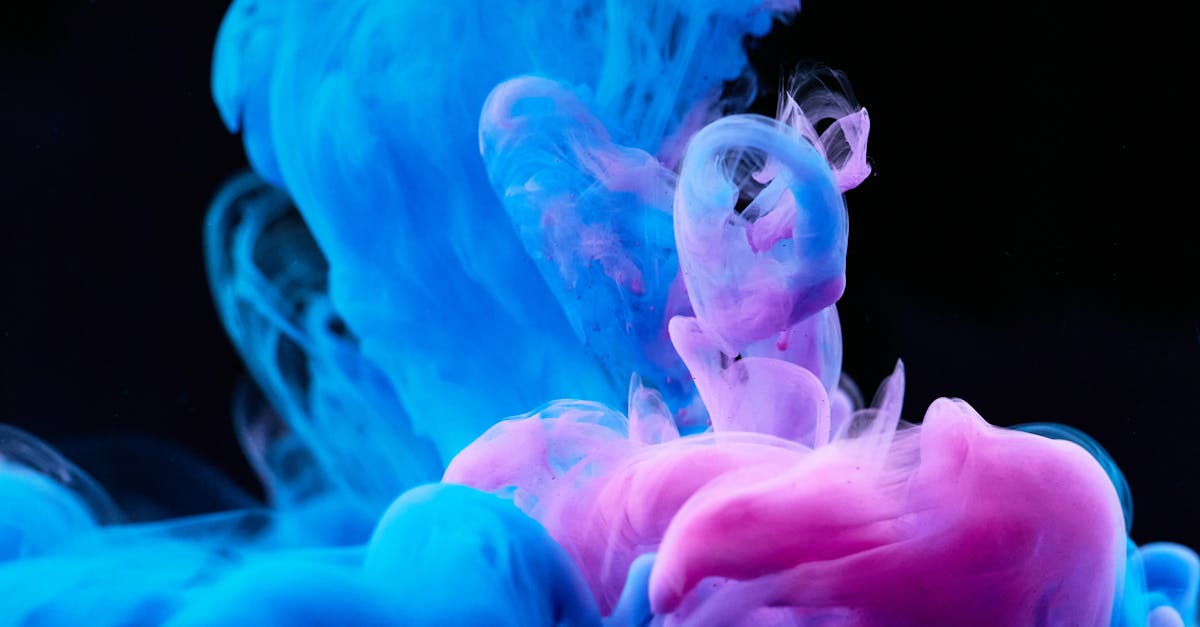
Watercolour painting captivates artists and viewers alike with its delicate washes and translucent layers, but it’s the addition of texture that truly brings these artworks to life. We’ll explore how visual texture techniques can transform a simple painting into a dynamic piece filled with depth and dimension.
Visual texture in watercolour refers to the illusion of different surface qualities created through various brushstrokes, colors, and techniques. It’s not just about making a painting look more interesting – texture serves as a powerful tool for conveying emotions, establishing focal points, and enhancing the overall expressive quality of artwork. Whether through dry brushing, salt application, or granulating paints, we’ve discovered that these techniques can elevate a painting from ordinary to extraordinary.
Key Takeaways
- Watercolour textures can be created through both visual techniques (like brushstrokes and color layering) and physical methods (paper manipulation and surface treatments)
- Essential materials include 140lb cold-pressed paper, round synthetic brushes (sizes 4-12), and artist-grade granulating watercolors for optimal texture creation
- Wet techniques like water blooms, plastic wrap effects, and salt application create organic patterns and unique crystalline textures when paint is still damp
- Dry techniques such as dry brushing and sponging provide controlled texture effects ideal for depicting natural surfaces like bark, foliage, and stone
- Special effects like granulation and resist methods (masking fluid, wax) add sophisticated depth and preserve white spaces for dynamic compositions
- The combination of different texture techniques can transform simple watercolor paintings into complex, multi-dimensional artworks with enhanced visual interest
Understanding Watercolor Textures
Watercolor textures transform flat paintings into dynamic artwork through deliberate manipulation of paint pigments surfaces. Visual illusions depth combines with physical surface variations to create compelling compositions.
Visual vs Physical Texture in Watercolor Art
Visual texture creates the illusion of surface variations through paint application techniques while physical texture involves actual dimensional changes to the paper surface. Visual textures emerge from brushwork patterns color layering pigment granulation. Physical textures form through paper manipulation surface treatments like watercolor gesso or absorbent grounds. The combination of both texture types adds sophisticated depth dimensionality to paintings.
- Paper: 140lb cold-pressed or rough watercolor paper for optimal texture retention
- Brushes: Round synthetic bristles size 4-12 for controlled application
- Paint: Artist-grade watercolors with granulating properties
- Texture Tools:
- Natural sea sponges for organic patterns
- Palette knives for scraping techniques
- Clean spray bottles for spatter effects
- Table salt for crystalline patterns
- Additional Supplies:
- Clean water containers
- Absorbent paper towels
- Watercolor gesso for physical textures
- Masking fluid for preserving white spaces
| Material Type | Recommended Weight/Size | Purpose |
|---|---|---|
| Watercolor Paper | 140lb (300gsm) | Base surface |
| Round Brushes | Size 4-12 | Paint application |
| Natural Sponge | 2-3 inch diameter | Texture creation |
| Salt Granules | Fine to coarse | Crystal effects |
Wet Technique Textures
Wet technique textures in watercolor painting create organic patterns through the interaction of water, pigment, and various materials. These methods produce unique watercolour textures that enhance the visual appeal of paintings.
Water Blooms and Color Blending
Water blooms emerge when wet paint or water contacts a damp painted surface, creating distinctive cauliflower-like patterns. The process involves:
- Apply an initial wash of color
- Wait until the wash is nearly dry but still cool to touch
- Add clean water droplets using a round brush
- Allow the water to push pigments outward
Plastic Wrap Effects
Plastic wrap creates intricate textural patterns by manipulating wet paint on the paper surface. The technique involves:
- Apply wet paint to the paper
- Place plastic wrap on the wet surface
- Press gently to create creases and folds
- Remove wrap after paint dries completely
Salt and Alcohol Techniques
These additives create unique watercolour textures through chemical reactions with wet paint:
Salt Application:
- Sprinkle salt on damp paint
- Let it absorb moisture and pigment
- Brush away crystals after complete drying
- Apply 50% isopropyl alcohol drops to wet paint
- Creates bubble-like patterns
- Works best on sturdy watercolor paper (140lb or higher)
| Technique | Drying Time | Effect Type | Best Paper Weight |
|---|---|---|---|
| Water Blooms | 5-10 minutes | Organic spread | 140lb |
| Plastic Wrap | 15-20 minutes | Web-like pattern | 140lb |
| Salt | 10-15 minutes | Crystalline texture | 140lb |
| Alcohol | 5-10 minutes | Bubble texture | 140lb+ |
Dry Technique Textures
Dry techniques in watercolour create distinctive textures through controlled application of paint with minimal water content. These methods produce unique surface effects that enhance the visual depth and character of watercolour paintings.
Dry Brush Methods
The dry brush technique creates textural marks by using a brush with minimal moisture and paint. Load a brush with paint, remove excess moisture on a paper towel and apply with swift, light strokes. This method produces broken, scratchy marks ideal for depicting:
- Rough surfaces like tree bark
- Weathered wood textures
- Natural foliage details
- Animal fur textures
- Stone or brick surfaces
Sponge and Splatter Techniques
Sponges and splatter methods add spontaneous watercolour textures through varied application techniques:
Sponge Applications:
- Rotate dampened sea sponges to create organic patterns
- Dab with kitchen sponges to lift wet paint
- Apply paint directly with sponges for abstract effects
Splatter Methods:
- Use toothbrushes with wet paint for fine droplets
- Run thumb across bristles for random paint distribution
- Apply multiple colors for layered texture effects
- Lift damp paint with clean brushes for highlights
- Scrape dried paint with palette knives for linear textures
- Remove paint with textured tools for pattern effects
- Use erasers to create small detailed marks
- Apply masking fluid before painting to preserve white areas
| Technique | Drying Time | Best Paper Weight |
|---|---|---|
| Dry Brush | 5-10 minutes | 140lb+ |
| Sponging | 15-20 minutes | 300lb |
| Scraping | When completely dry | 140lb+ |
Special Effect Textures
Special effect textures in watercolor painting create unique visual elements through specialized techniques and chemical interactions. These methods produce distinctive watercolour textures that transform ordinary paintings into captivating artworks.
Granulation Techniques
Granulation produces fascinating watercolour textures through the natural separation of pigment particles. Heavy metal oxide pigments like Ultramarine Blue French settle into paper valleys creating a speckled appearance. To enhance granulation:
- Add 3 drops of ox gall liquid to intensify particle separation
- Mix two granulating colors (Cerulean Blue + Burnt Sienna) for compound textures
- Apply paint at a 45-degree angle on rough paper for optimal settling
- Use light misting to encourage pigment movement during drying
| Pigment | Granulation Level | Best Paper Type |
|---|---|---|
| Ultramarine Blue | High | Rough 300lb |
| Burnt Sienna | Medium | Cold Press 140lb |
| Cerulean Blue | Very High | Rough 300lb |
- Liquid masking fluid application with silicone brushes for fine details
- Wax resist using white crayons or paraffin for organic textures
- Rubber cement spots for random circular patterns
- Masking tape torn edges for rough architectural elements
| Resist Method | Drying Time | Removal Technique |
|---|---|---|
| Masking Fluid | 15 minutes | Rubber eraser |
| Wax Resist | Immediate | Non-removable |
| Rubber Cement | 5 minutes | Rubber cement pickup |
Conclusion
We’ve explored the intricate world of watercolor textures and their profound impact on artistic expression. Through careful selection of materials and mastery of various techniques we can transform simple paintings into dynamic works of art that captivate viewers.
The beauty of watercolor textures lies in their versatility. Whether we’re working with wet techniques dry methods or special effects each approach offers unique opportunities to enhance our artistic vision. By understanding and applying these techniques we’ll continue to grow as artists and create increasingly sophisticated pieces that speak to our creative voice.